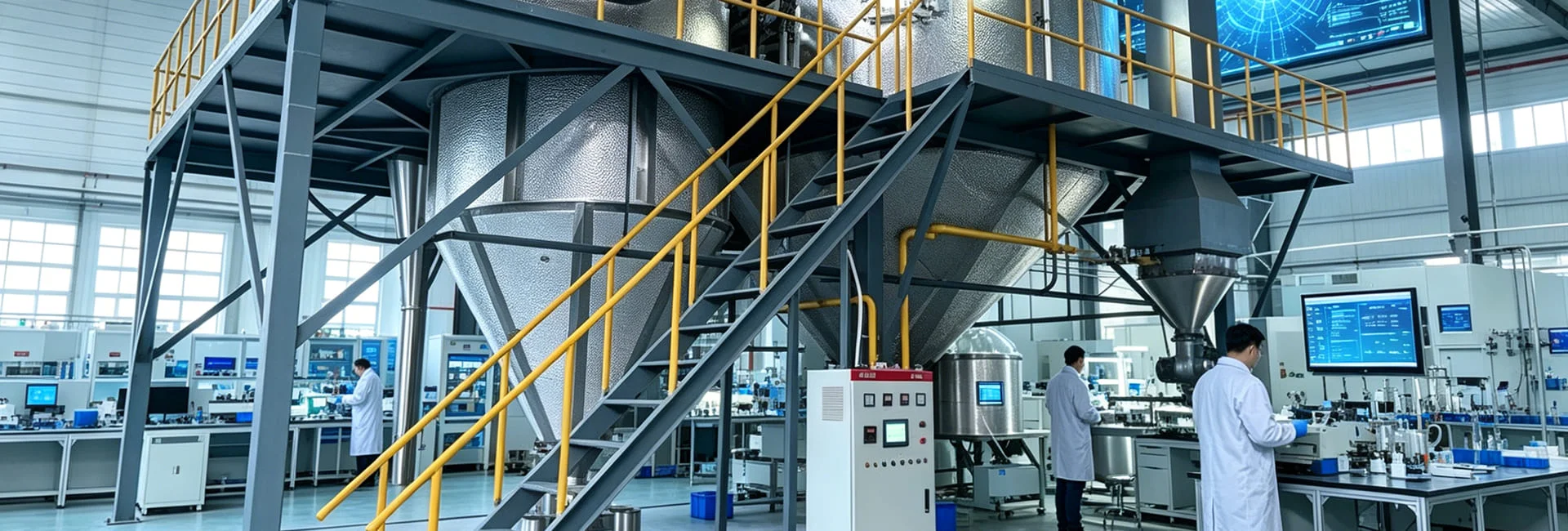
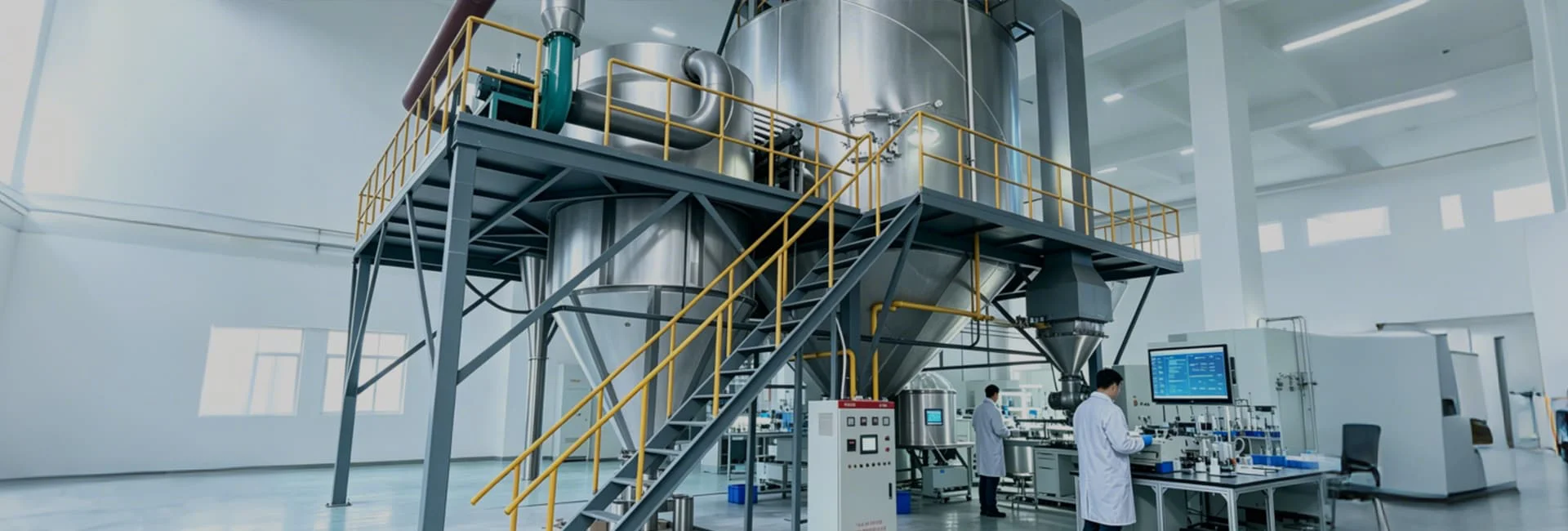
In modern industrial production, the dryer, as a key process equipment, has its performance stability and reliability directly related to the overall efficiency of the production line and product quality. To ensure that the equipment reaches its optimal operating state before formal production, a standardized and rigorous test run operation process is indispensable. This is not only a comprehensive inspection of the equipment manufacturing quality, but also a deep practice of the concept of safe production and fine management. The preparation work before the test run is the cornerstone to ensure the smooth progress of the process. Firstly, a special team composed of equipment engineers, electrical engineers, and operational backbones must be organized to conduct a comprehensive review of the equipment installation accuracy, including the tightness of each connecting part, the integrity of seals, and the alignment of the transmission system. Secondly, a detailed inspection of the electrical control system is required to confirm that the power supply voltage is stable, the wiring is correct, and the response sensitivity of each sensor, actuator, and safety interlock device is tested. At the same time, the lubrication system should be primed with oil, and the auxiliary medium pipelines such as cooling water and compressed air should be confirmed to be unobstructed, with pressure and temperature parameters in accordance with the equipment manual. All preparation work must be documented in written inspection records, which must be signed and confirmed before proceeding to the next step. The test run process should follow the scientific principle of "from part to whole, from low speed to high speed, from no load to load". Before starting, it is essential to confirm through manual turning that there is no jamming or abnormal noise in the rotating parts. Subsequently, the main motor is started in an inching mode to observe whether the equipment rotation direction is consistent with the markings, and the initial current value is recorded. After confirming that there is no abnormal vibration or noise, the continuous no-load operation stage can be entered. During this stage, the speed should be gradually increased to the rated value, and each increase in speed should be stabilized for at least 15 minutes, while monitoring the bearing temperature, vibration intensity, and current fluctuation range. For hot-air dryers, the heat source should be gradually introduced to observe the response speed of the temperature control system and the uniformity of temperature field distribution, ensuring accurate interlocking actions between the heating element and fan. After the no-load operation is stable, the load test run can be entered. The load should be gradually increased according to 25%, 50%, 75%, and 100% of the rated processing capacity. Each increase in load requires continuous operation for at least 30 minutes, with a focus on examining the smoothness of the material conveying system, heat exchange efficiency, and the actual effect of the moisture removal system. Operators need to record key data under various operating conditions in detail, such as inlet and outlet temperatures, material moisture content, energy consumption indicators, and equipment noise levels. When the load reaches 100%, a continuous operation assessment of at least 4 hours should be conducted to verify the long-term stability and reliability of the equipment under full load conditions. During the trial operation, safety should always be the top priority. Operators must wear complete protective gear and maintain a safe distance from the equipment. In case of any abnormalities such as sudden current increase, severe vibration, abnormal odor, or noise, the emergency stop button should be pressed immediately, and emergency response measures should be followed. All trial operation data must be collected and archived in real-time to form a complete trial operation report, which serves as an important basis for equipment acceptance and subsequent maintenance. A rigorous trial operation process is a crucial leap from "installation completion" to "stable operation" of the equipment. It embodies the ultimate pursuit of process quality and demonstrates the professional and reliable technical strength of the enterprise. Through this scientific and systematic operational practice, the dryer will be put into production in its fullest capacity, laying a solid foundation for the continuous and efficient operation of the enterprise.