
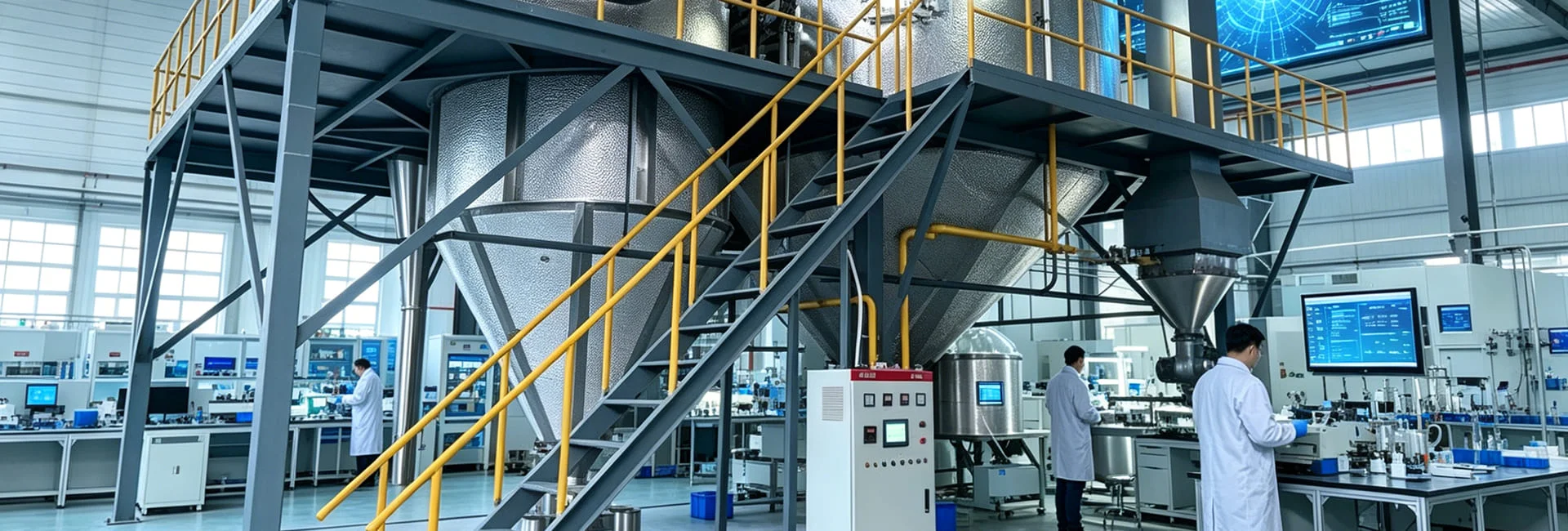
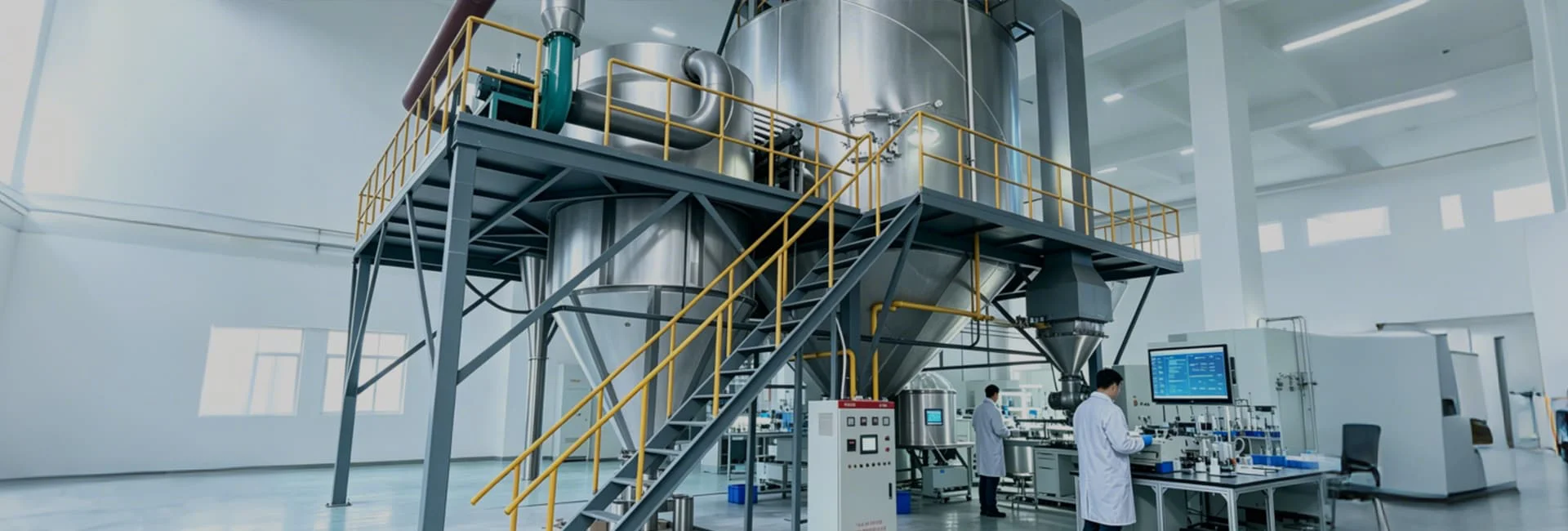
Dryers, as indispensable key equipment in modern industrial and civilian fields, have a direct impact on production efficiency and product quality. To meet the drying needs of different industries and materials, various types of dryers have been developed. This article categorizes and introduces mainstream dryers in enterprises, aiming to provide professional references for customers' selection. According to the heat transfer method, dryers are mainly divided into three categories: convection, conduction, and radiation. Convection dryers, such as hot air circulation ovens and fluidized bed dryers, remove moisture through direct contact between hot air and materials, suitable for granular, powdered, and block materials, and characterized by uniform drying and controllable temperature. Conduction dryers, such as vacuum dryers and rotary dryers, transfer heat to materials through the wall, without direct contact between materials and heat medium, particularly suitable for heat-sensitive, easily oxidizable, or solvent-recoverable materials. Radiation dryers, such as infrared dryers, utilize electromagnetic wave radiation for heating, featuring fast drying speed and good surface quality, commonly used for rapid curing of coatings, films, and thin materials. According to operating pressure, dryers can be divided into atmospheric dryers and vacuum dryers. Atmospheric dryers have a simple structure and large processing capacity, making them the first choice for most general-purpose materials. Vacuum dryers operate under negative pressure, significantly reducing the boiling point of materials, achieving low-temperature drying, and effectively retaining the active ingredients and color of materials, widely used in pharmaceuticals, food, fine chemicals, and other fields. In addition, vacuum freeze dryers, as high-end equipment, remove moisture through the sublimation principle, maximizing the retention of the original form and nutritional components of materials, and are benchmark equipment for biological products and high-end food processing. According to material form, dryers can also be divided into spray dryers, belt dryers, airflow dryers, and box dryers. Spray dryers can instantly dry solutions and suspensions into powders, serving as core equipment for the production of dairy products, pharmaceutical intermediates, and ceramic powders. Belt dryers achieve material spreading and drying through continuous conveyor belts, suitable for dehydration of sheet-like and strip-like materials such as vegetables, fruits, and medicinal herbs. Airflow dryers utilize high-speed hot airflow to disperse and rapidly dry materials, with extremely high efficiency, suitable for loose materials such as starch and grains. Box dryers operate mainly in batch mode, with strong flexibility, suitable for small-batch, multi-variety research and development and production scenarios. Under the trend of energy conservation and environmental protection, new types of dryers are constantly emerging. Heat pump dryers, by recycling waste heat, can achieve energy efficiency ratios several times higher than traditional equipment, and operate at low temperatures throughout the entire process, making them particularly suitable for energy-efficient drying of wood, sludge, and agricultural by-products. Microwave dryers utilize high-frequency electromagnetic waves to generate heat through the high-speed vibration of polar molecules within the material, achieving simultaneous internal and external heating. They dry extremely quickly without any heat gradient, effectively preventing surface hardening, and have gradually been applied in fields such as electronic ceramics and chemical catalysts. Combined dryers integrate multiple heat transfer methods, such as convection-conduction combination and microwave-hot air compounding, to further reduce energy consumption while ensuring drying quality. When selecting a dryer, it is necessary to comprehensively consider material characteristics, initial moisture content, final moisture content requirements, heat sensitivity, production scale, and operating costs. For high-value, heat-sensitive materials, vacuum or freeze dryers are ideal choices; for bulk, heat-resistant materials, convection and conduction dryers offer better cost-performance ratios; for projects pursuing efficiency and environmental protection, heat pump and microwave dryers are becoming the direction of technological iteration. Our company has been deeply involved in the field of drying equipment for many years, possessing full-chain capabilities from research and development, design, to manufacturing and service. Whether it is standard models or non-standard customization, we always take process requirements as the guide to provide customers with suitable drying solutions. For further information on the technical parameters and application cases of various types of dryers, please contact our technical team.